-1.png "Starter - Blogger Template")
Unified Soil Classification System Chart
Unified Soil Classification System Chart - The unified soil classification system (uscs) is a soil classification system used in engineering and geology to describe the texture and grain size of a soil. The primary split is at the 75 μm sieve: The classification system is briefly outlined on this c art. Both use identical group symbols and the casagrande plasticity chart. For a more detailed description of the system, see the unified soil classification system corps of engineers, us army technical. The classification system can be applied to.
The classification system is briefly outlined on this c art. In this system, various symbols and abbreviations are used given in the table below. The uscs classifies soils into various groups based on their particle size distribution, mineralogy, and plasticity. The unified soil classification system (uscs) is a soil classification system used in engineering and geology to describe the texture and grain size of a soil. The primary split is at the 75 μm sieve:
Soil Classification Chart

The classification system is briefly outlined on this c art. · a thorough guide to the unified soil classification system (astm d2487): The unified soil classification system (uscs) is a soil classification system used in engineering and geology to describe the texture and grain size of a soil. In this system, various symbols and abbreviations are used given in the.
Osha Soil Type Classification Chart Understanding Trench And
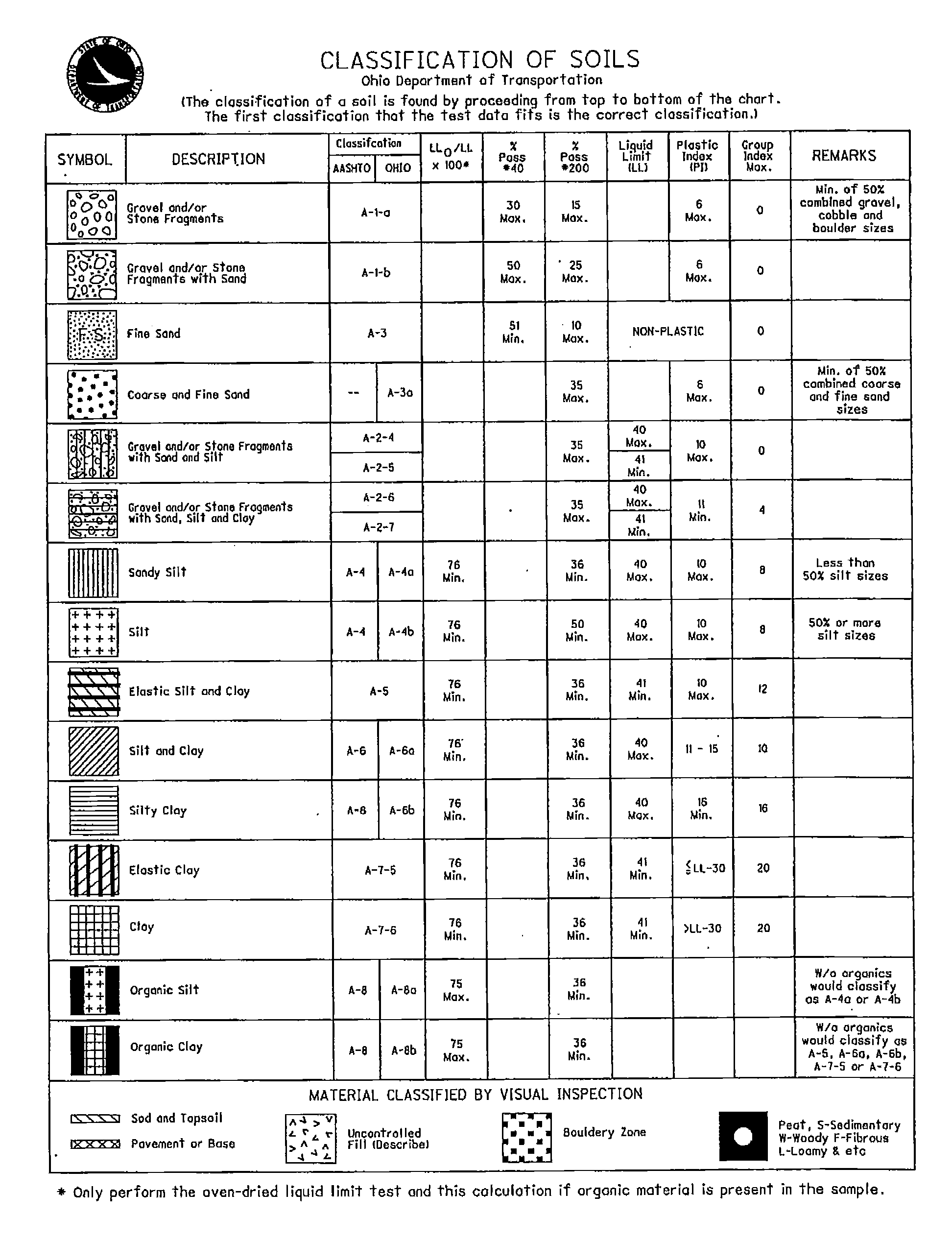
· the unified soil classification system is useful in the design and construction of various civil engineering projects, such as foundation design, earthworks, and soil stabilization. The classification system can be applied to. · uscs system is based on both particle size analysis and plasticity characteristics. The uscs classifies soils into various groups based on their particle size distribution, mineralogy,.
Uscs Soil Classification Chart
+Fine-Grained+Soil+Classification%2C+Plasticity+Chart.jpg)
The primary split is at the 75 μm sieve: Is 1498:1970 is based on the unified soil classification system (uscs); For a more detailed description of the system, see the unified soil classification system corps of engineers, us army technical. · the unified soil classification system is useful in the design and construction of various civil engineering projects, such as.
Soil Classification Flow Chart QEKAE

The uscs classifies soils into various groups based on their particle size distribution, mineralogy, and plasticity. · the unified soil classification system is useful in the design and construction of various civil engineering projects, such as foundation design, earthworks, and soil stabilization. · a thorough guide to the unified soil classification system (astm d2487): For a more detailed description of.
Uscs Classification Flow Chart Correlation Of Unified And AASHTO Soil

Both use identical group symbols and the casagrande plasticity chart. The classification system is briefly outlined on this c art. · the unified soil classification system is useful in the design and construction of various civil engineering projects, such as foundation design, earthworks, and soil stabilization. · a thorough guide to the unified soil classification system (astm d2487): Is 1498:1970.
Unified Soil Classification System Chart - The unified soil classification system (uscs) is a soil classification system used in engineering and geology to describe the texture and grain size of a soil. In this system, various symbols and abbreviations are used given in the table below. The classification system is briefly outlined on this c art. Both use identical group symbols and the casagrande plasticity chart. For a more detailed description of the system, see the unified soil classification system corps of engineers, us army technical. The classification system can be applied to.
It features flowcharts for classifying fine and. The primary split is at the 75 μm sieve: The classification system is briefly outlined on this c art. Is 1498:1970 is based on the unified soil classification system (uscs); · uscs system is based on both particle size analysis and plasticity characteristics.
Is 1498:1970 Is Based On The Unified Soil Classification System (Uscs);
The primary split is at the 75 μm sieve: Both use identical group symbols and the casagrande plasticity chart. The classification system can be applied to. · a thorough guide to the unified soil classification system (astm d2487):
It Features Flowcharts For Classifying Fine And.
The unified soil classification system (uscs) is a soil classification system used in engineering and geology to describe the texture and grain size of a soil. For a more detailed description of the system, see the unified soil classification system corps of engineers, us army technical. Depending on percentage of fines (fraction smaller than no. · the unified soil classification system is useful in the design and construction of various civil engineering projects, such as foundation design, earthworks, and soil stabilization.
In This System, Various Symbols And Abbreviations Are Used Given In The Table Below.
The uscs classifies soils into various groups based on their particle size distribution, mineralogy, and plasticity. The document includes various figures and tables related to the unified soil classification system (uscs) and astm standards for soil classification. The classification system is briefly outlined on this c art. · uscs system is based on both particle size analysis and plasticity characteristics.