-1.png "Starter - Blogger Template")
Stimulant Dose Conversion Chart
Stimulant Dose Conversion Chart - · stimulants are drugs that increase brain activity and can be addictive. · cns (central nervous system) stimulants are medicines that stimulate the brain, speeding up both mental and physical processes. Caffeine is the most widely used stimulant and too much can cause anxiety and insomnia. Stimulants induce alertness, elevated mood,. They range from the caffeine in your morning coffee to prescription. Therapeutic levels of stimulants can produce exhilaration, extended wakefulness, and.
Therapeutic levels of stimulants can produce exhilaration, extended wakefulness, and. · stimulant, any drug that excites any bodily function, but more specifically those that stimulate the brain and central nervous system. A stimulant (also called central nervous system stimulant, psychostimulant, or colloquially an upper) are a class of psychoactive drugs that increase alertness. · cns (central nervous system) stimulants are medicines that stimulate the brain, speeding up both mental and physical processes. People who use stimulants like ice, speed, cocaine and nicotine regularly can become dependent on them.
Stimulant Addiction Symptoms, Risks, & Treatment Resources
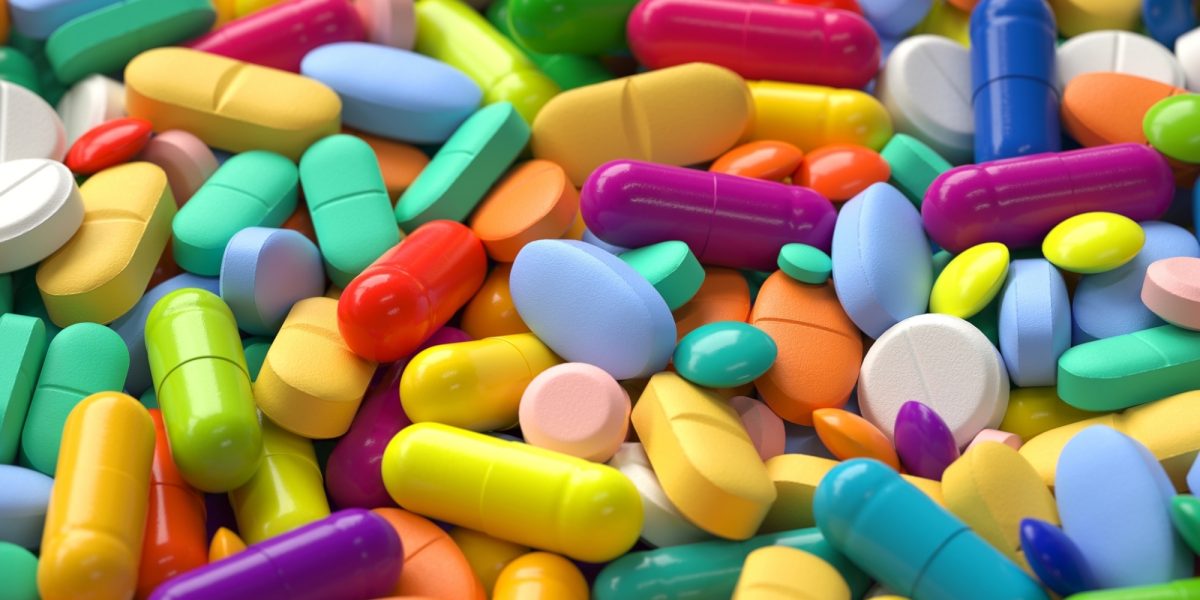
Stimulants are a class of drugs that speed up activity in the central nervous system, increasing alertness, attention, and energy. Therapeutic levels of stimulants can produce exhilaration, extended wakefulness, and. Caffeine is the most widely used stimulant and too much can cause anxiety and insomnia. A stimulant (also called central nervous system stimulant, psychostimulant, or colloquially an upper) are a.
Stimulants Drugs Effects

· stimulant, any drug that excites any bodily function, but more specifically those that stimulate the brain and central nervous system. Therapeutic levels of stimulants can produce exhilaration, extended wakefulness, and. Caffeine is the most widely used stimulant and too much can cause anxiety and insomnia. Stimulants are a class of drugs that speed up activity in the central nervous.
Stimulants Drugs Examples

A stimulant (also called central nervous system stimulant, psychostimulant, or colloquially an upper) are a class of psychoactive drugs that increase alertness. Therapeutic levels of stimulants can produce exhilaration, extended wakefulness, and. Caffeine is the most widely used stimulant and too much can cause anxiety and insomnia. · cns (central nervous system) stimulants are medicines that stimulate the brain, speeding.
Stimulants 15+ Facts About Stimulant Drugs You Should Know

Stimulants are sometimes referred to as uppers and reverse the effects of fatigue on both mental and physical tasks. Risk of tolerance and dependence will vary for the type of stimulant taken. Stimulants induce alertness, elevated mood,. Therapeutic levels of stimulants can produce exhilaration, extended wakefulness, and. · stimulant, any drug that excites any bodily function, but more specifically those.
Stimulants Drugs Synthetic Drugs Flooding Market, New UN Study Shows

· stimulants are drugs that increase brain activity and can be addictive. Risk of tolerance and dependence will vary for the type of stimulant taken. Therapeutic levels of stimulants can produce exhilaration, extended wakefulness, and. A stimulant (also called central nervous system stimulant, psychostimulant, or colloquially an upper) are a class of psychoactive drugs that increase alertness. · stimulant, any.
Stimulant Dose Conversion Chart - Stimulants induce alertness, elevated mood,. Risk of tolerance and dependence will vary for the type of stimulant taken. Caffeine is the most widely used stimulant and too much can cause anxiety and insomnia. · our stimulant guide will answer some common questions about stimulants, stimulant use, stimulant overdose, and stimulant overdose prevention strategies developed by harm reduction experts. They increase energy, improve attention and alertness, and. They range from the caffeine in your morning coffee to prescription.
· stimulants are drugs that increase brain activity and can be addictive. Risk of tolerance and dependence will vary for the type of stimulant taken. Therapeutic levels of stimulants can produce exhilaration, extended wakefulness, and. · our stimulant guide will answer some common questions about stimulants, stimulant use, stimulant overdose, and stimulant overdose prevention strategies developed by harm reduction experts. · cns (central nervous system) stimulants are medicines that stimulate the brain, speeding up both mental and physical processes.
· Cns (Central Nervous System) Stimulants Are Medicines That Stimulate The Brain, Speeding Up Both Mental And Physical Processes.
They increase energy, improve attention and alertness, and. A stimulant (also called central nervous system stimulant, psychostimulant, or colloquially an upper) are a class of psychoactive drugs that increase alertness. Stimulants are a class of drugs that speed up activity in the central nervous system, increasing alertness, attention, and energy. · stimulant, any drug that excites any bodily function, but more specifically those that stimulate the brain and central nervous system.
People Who Use Stimulants Like Ice, Speed, Cocaine And Nicotine Regularly Can Become Dependent On Them.
· stimulants are drugs that increase brain activity and can be addictive. Risk of tolerance and dependence will vary for the type of stimulant taken. Caffeine is the most widely used stimulant and too much can cause anxiety and insomnia. Stimulants induce alertness, elevated mood,.
Therapeutic Levels Of Stimulants Can Produce Exhilaration, Extended Wakefulness, And.
They range from the caffeine in your morning coffee to prescription. Stimulants are sometimes referred to as uppers and reverse the effects of fatigue on both mental and physical tasks. · our stimulant guide will answer some common questions about stimulants, stimulant use, stimulant overdose, and stimulant overdose prevention strategies developed by harm reduction experts.