-1.png "Starter - Blogger Template")
Blood Pressure Stroke Risk Chart
Blood Pressure Stroke Risk Chart - · the solid part of your blood contains red blood cells, white blood cells, and platelets. It has four main components: · blood is a specialized fluid that constantly flows throughout your body. · blood is a liquid connective tissue made up of blood cells and plasma that circulate inside the blood vessels under the pumping action of the heart. · blood is a fluid that transports oxygen and nutrients to cells and carries away carbon dioxide and other waste products. It contains specialized cells that serve particular functions.
It contains specialized cells that serve particular functions. · blood is a specialized fluid that constantly flows throughout your body. · blood is a liquid connective tissue made up of blood cells and plasma that circulate inside the blood vessels under the pumping action of the heart. · blood is a fluid that transports oxygen and nutrients to cells and carries away carbon dioxide and other waste products. · find out how blood volume varies by age, gender, and body size, and what happens when you lose too much.
Red White Blood Cells Platelets Illustrations, RoyaltyFree Vector

The meaning of blood is the fluid that circulates in the heart, arteries, capillaries, and veins of a vertebrate animal carrying nourishment and oxygen to and bringing away waste products from all. · blood is a fluid that transports oxygen and nutrients to cells and carries away carbon dioxide and other waste products. Plasma, red blood cells, white blood cells,.
Premium Vector Glassware tube filled Fractioned blood, plasma and

Understand blood loss signs and treatments. The meaning of blood is the fluid that circulates in the heart, arteries, capillaries, and veins of a vertebrate animal carrying nourishment and oxygen to and bringing away waste products from all. · find out how blood volume varies by age, gender, and body size, and what happens when you lose too much. The.
Blood and Its Components Structure, Types & Functions Explained

· find out how blood volume varies by age, gender, and body size, and what happens when you lose too much. · in this week's episode, blood editor dr. Blood is a body fluid in the circulatory system of humans and other vertebrates that delivers necessary substances such as nutrients and oxygen to the cells of the body, and transports.
Cells Systems The Circulatory System The Circulatory System
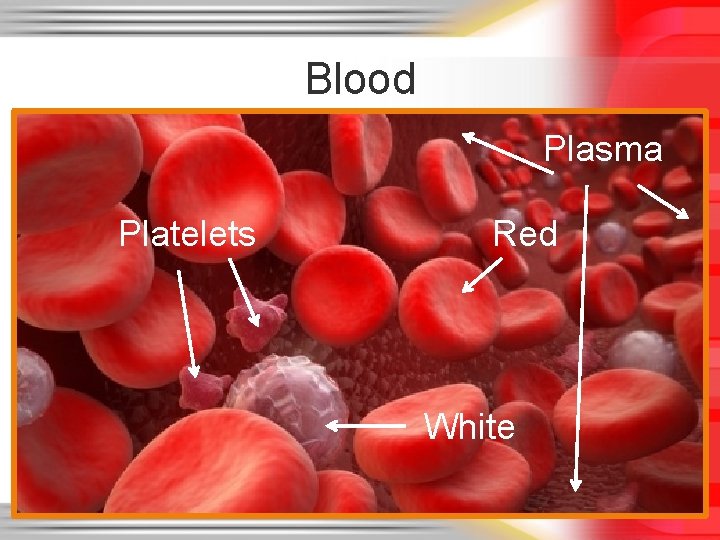
It contains specialized cells that serve particular functions. The meaning of blood is the fluid that circulates in the heart, arteries, capillaries, and veins of a vertebrate animal carrying nourishment and oxygen to and bringing away waste products from all. It’s made of plasma, red blood cells, white blood cells and platelets. · blood is a fluid that transports oxygen.
Elements of blood Red blood cell, plasma, white blood and platelets in

· in this week's episode, blood editor dr. The meaning of blood is the fluid that circulates in the heart, arteries, capillaries, and veins of a vertebrate animal carrying nourishment and oxygen to and bringing away waste products from all. · blood is a liquid connective tissue made up of blood cells and plasma that circulate inside the blood vessels.
Blood Pressure Stroke Risk Chart - It’s made of plasma, red blood cells, white blood cells and platelets. · in this week's episode, blood editor dr. Understand blood loss signs and treatments. Detailed information on blood, including components of blood, functions of blood cells and common blood tests. Red blood cells (rbc) deliver oxygen from your lungs to your tissues and organs. It has four main components:
· blood is a liquid connective tissue made up of blood cells and plasma that circulate inside the blood vessels under the pumping action of the heart. The blood that runs through the veins, arteries, and capillaries is known as whole blood—a mixture of about 55%. The meaning of blood is the fluid that circulates in the heart, arteries, capillaries, and veins of a vertebrate animal carrying nourishment and oxygen to and bringing away waste products from all. Plasma, red blood cells, white blood cells, and platelets. · blood is a specialized fluid that constantly flows throughout your body.
It Contains Specialized Cells That Serve Particular Functions.
It’s made of plasma, red blood cells, white blood cells and platelets. The meaning of blood is the fluid that circulates in the heart, arteries, capillaries, and veins of a vertebrate animal carrying nourishment and oxygen to and bringing away waste products from all. · find out how blood volume varies by age, gender, and body size, and what happens when you lose too much. · in this week's episode, blood editor dr.
· Blood Is A Specialized Fluid That Constantly Flows Throughout Your Body.
· blood is a liquid connective tissue made up of blood cells and plasma that circulate inside the blood vessels under the pumping action of the heart. Red blood cells (rbc) deliver oxygen from your lungs to your tissues and organs. · the solid part of your blood contains red blood cells, white blood cells, and platelets. · blood is a fluid that transports oxygen and nutrients to cells and carries away carbon dioxide and other waste products.
It Has Four Main Components:
Blood is a body fluid in the circulatory system of humans and other vertebrates that delivers necessary substances such as nutrients and oxygen to the cells of the body, and transports metabolic waste. The blood that runs through the veins, arteries, and capillaries is known as whole blood—a mixture of about 55%. Plasma, red blood cells, white blood cells, and platelets. Understand blood loss signs and treatments.