-1.png "Starter - Blogger Template")
Bert Ogden Arena Seating Chart
Bert Ogden Arena Seating Chart - Bidirectional encoder representations from transformers (bert) is a language model introduced in october 2018 by researchers at google. · bidirectional encoder representations from transformers (bert) is a large language model (llm) developed by google ai language which has made significant advancements in the. Bidirectional encoder representations from transformers (bert) is a breakthrough in how computers process natural language. Developed by google in 2018, this open source approach analyzes text in. It is used to instantiate a bert model according to the specified arguments, defining the model architecture. Instantiating a configuration with the defaults will yield a similar configuration to that of.
· in the following, we’ll explore bert models from the ground up — understanding what they are, how they work, and most importantly, how to use them practically in your projects. · bert (bidirectional encoder representations from transformers) is a deep learning language model designed to improve the efficiency of natural language processing (nlp) tasks. Developed by google in 2018, this open source approach analyzes text in. It is used to instantiate a bert model according to the specified arguments, defining the model architecture. Bidirectional encoder representations from transformers (bert) is a language model introduced in october 2018 by researchers at google.
Mastering BERT Building and Training from Scratch in PyTorch by Ebad
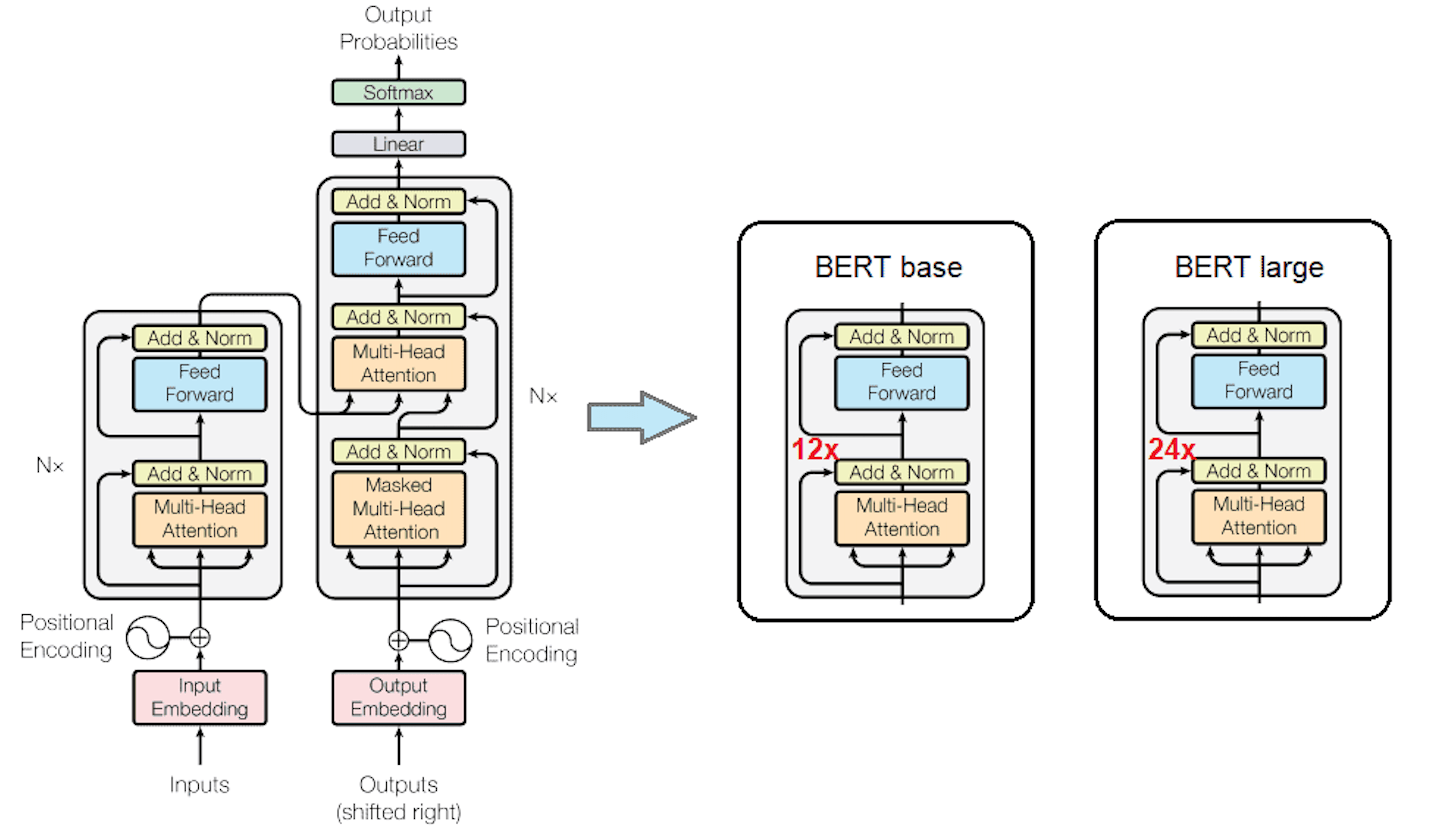
It is used to instantiate a bert model according to the specified arguments, defining the model architecture. Instantiating a configuration with the defaults will yield a similar configuration to that of. · bidirectional encoder representations from transformers (bert) is a large language model (llm) developed by google ai language which has made significant advancements in the. Bidirectional encoder representations from.
How BERT NLP Optimization Model Works
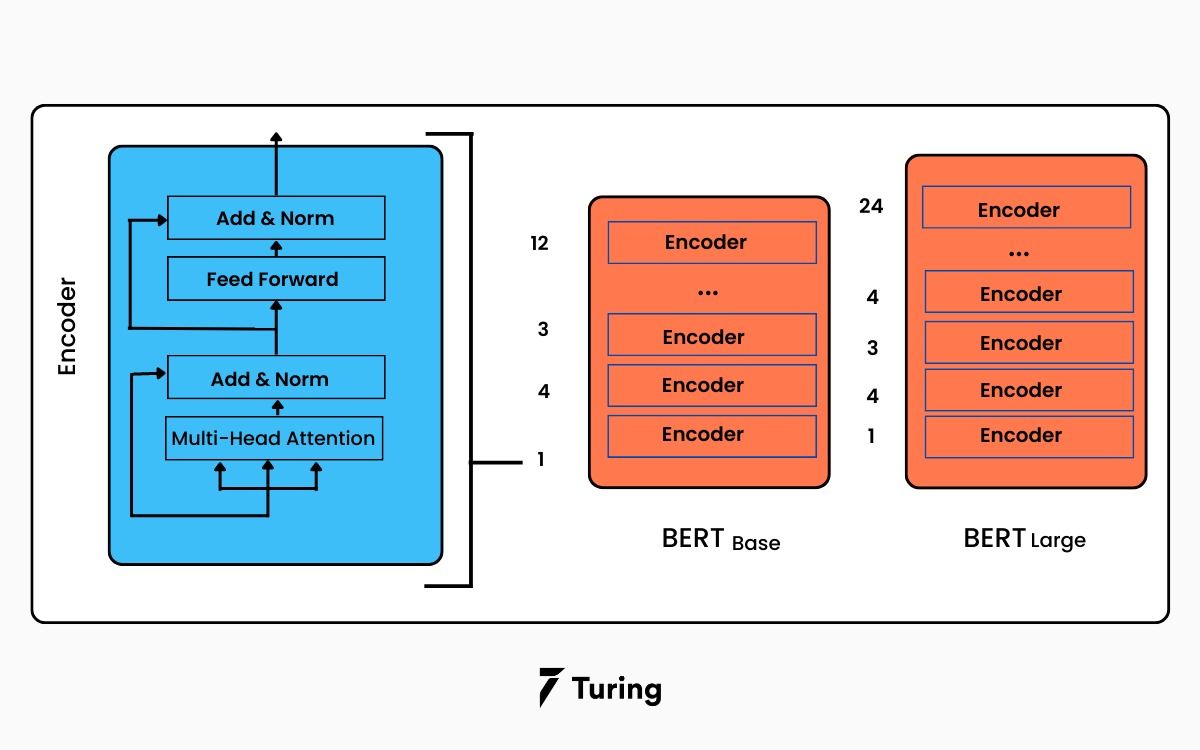
· bidirectional encoder representations from transformers (bert) is a large language model (llm) developed by google ai language which has made significant advancements in the. Instantiating a configuration with the defaults will yield a similar configuration to that of. Developed by google in 2018, this open source approach analyzes text in. It is used to instantiate a bert model according.
BERT Model for Sentiment Analysis in Google Colab
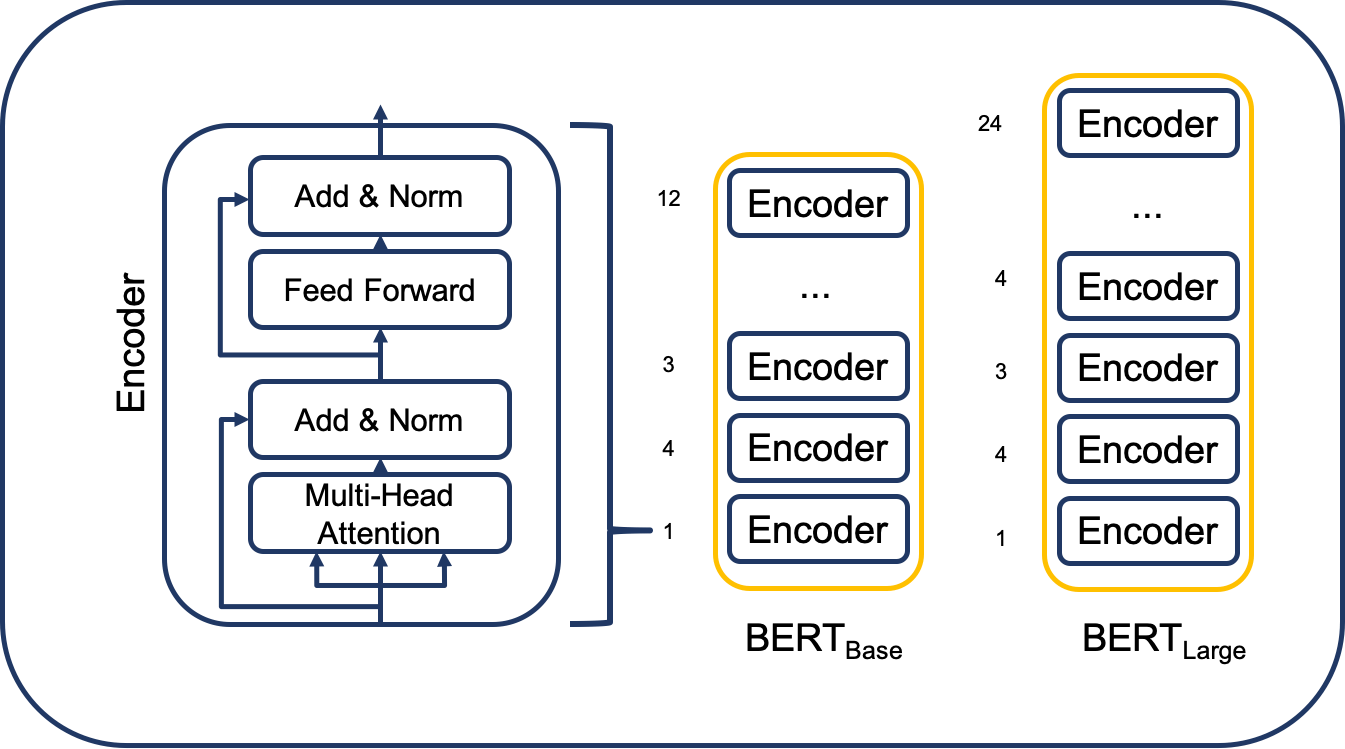
[2][3] it learns to represent text as a sequence of vectors. Developed by google in 2018, this open source approach analyzes text in. · bert (bidirectional encoder representations from transformers) is a deep learning language model designed to improve the efficiency of natural language processing (nlp) tasks. · bidirectional encoder representations from transformers (bert) is a large language model (llm).
BERT Transformers How Do They Work Exxact Blog

· bert (bidirectional encoder representations from transformers) is a natural language processing model developed by google that understands the context of words in a sentence by. Instantiating a configuration with the defaults will yield a similar configuration to that of. Bidirectional encoder representations from transformers (bert) is a language model introduced in october 2018 by researchers at google. [2][3] it.
BERT Model Bidirectional Encoder Representations from Transformers
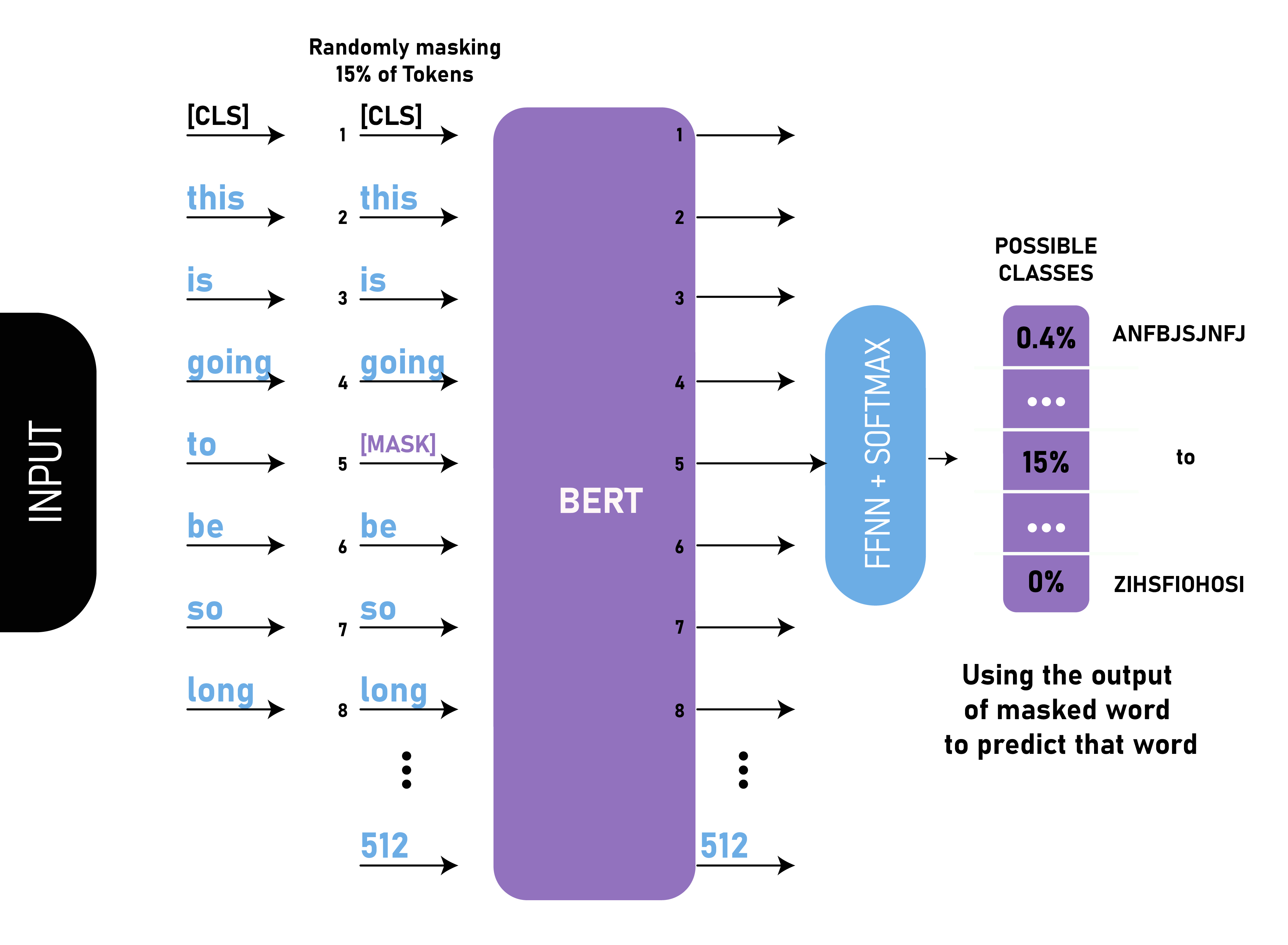
Instantiating a configuration with the defaults will yield a similar configuration to that of. · bert (bidirectional encoder representations from transformers) is a deep learning language model designed to improve the efficiency of natural language processing (nlp) tasks. Developed by google in 2018, this open source approach analyzes text in. · bert (bidirectional encoder representations from transformers) is a natural.
Bert Ogden Arena Seating Chart - · bert (bidirectional encoder representations from transformers) is a deep learning language model designed to improve the efficiency of natural language processing (nlp) tasks. [2][3] it learns to represent text as a sequence of vectors. It is used to instantiate a bert model according to the specified arguments, defining the model architecture. · in the following, we’ll explore bert models from the ground up — understanding what they are, how they work, and most importantly, how to use them practically in your projects. Bidirectional encoder representations from transformers (bert) is a breakthrough in how computers process natural language. · bert (bidirectional encoder representations from transformers) is a natural language processing model developed by google that understands the context of words in a sentence by.
· in the following, we’ll explore bert models from the ground up — understanding what they are, how they work, and most importantly, how to use them practically in your projects. It is used to instantiate a bert model according to the specified arguments, defining the model architecture. · bert (bidirectional encoder representations from transformers) is a natural language processing model developed by google that understands the context of words in a sentence by. · bidirectional encoder representations from transformers (bert) is a large language model (llm) developed by google ai language which has made significant advancements in the. Developed by google in 2018, this open source approach analyzes text in.
· Bert (Bidirectional Encoder Representations From Transformers) Is A Natural Language Processing Model Developed By Google That Understands The Context Of Words In A Sentence By.
It is used to instantiate a bert model according to the specified arguments, defining the model architecture. Bidirectional encoder representations from transformers (bert) is a breakthrough in how computers process natural language. · in the following, we’ll explore bert models from the ground up — understanding what they are, how they work, and most importantly, how to use them practically in your projects. [2][3] it learns to represent text as a sequence of vectors.
Bidirectional Encoder Representations From Transformers (Bert) Is A Language Model Introduced In October 2018 By Researchers At Google.
Developed by google in 2018, this open source approach analyzes text in. · bidirectional encoder representations from transformers (bert) is a large language model (llm) developed by google ai language which has made significant advancements in the. · bert (bidirectional encoder representations from transformers) is a deep learning language model designed to improve the efficiency of natural language processing (nlp) tasks. Instantiating a configuration with the defaults will yield a similar configuration to that of.